

Bundt cakes were the vehicle for my girlhood underage rum consumption. My mom’s technique for her rum Bundt went something like: pour a few glugs of rum into boxed yellow cake batter, bake, drench warm cake with more rum, cut into thick hunks, cover with whipped cream, serve. It was, obviously, delicious. In this case, “Just like mom used to make” is really only true when mom does make it, but that doesn’t mean that the Bundt is sitting on the sidelines of my kitchen. While once naught but a booze chute, the Bundt is today one of my favorite baking blank checks—a fun way to innovate and always nab a winner.
In the
U.S., the Bundt first rose to popularity in the mid ‘60s after Ella Rita
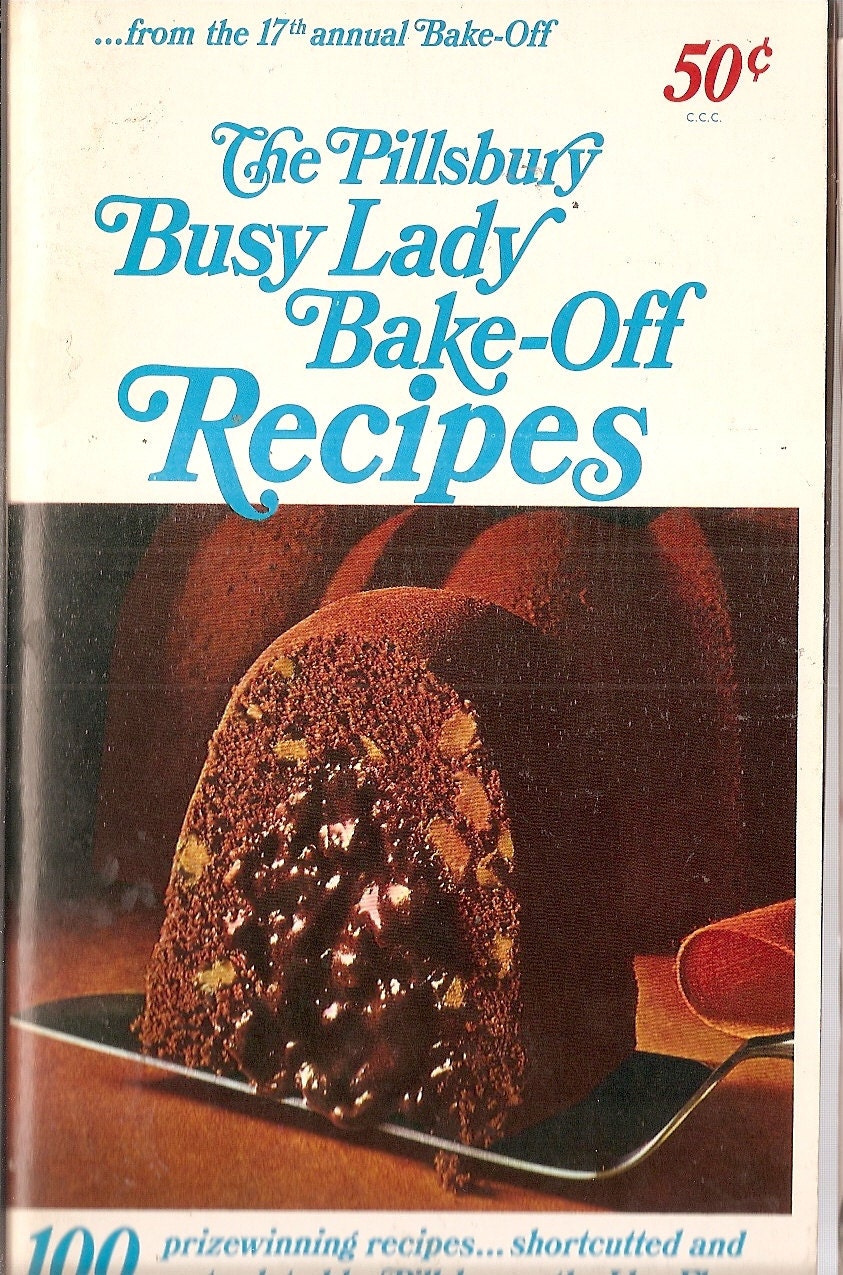
Helfrich used the then-obscure mold to win second place in the Pillsbury Busy Lady Bake-Off. Oozing with a gooey, chocolaty
center—thanks to the addition of prepackaged Pillsbury fudge that sunk into the
cake’s middle during baking—Helfrich’s “Tunnel of Fudge” cake was a national sensation
that ignited a countrywide Bundt cake trend, but it had taken the pan a long
time to ascend the kitchen ranks.
Derived
from the beloved German Kugelhopf—an airy tunnel cake much in the way of
brioche—the American Bundt pan had been in circulation in the U.S. since the
early 1950s, but it remained largely anonymous until its 1966 moment in the
sun. More than a decade prior, at the behest of his neighbors seeking to recreate their
favorite childhood German coffee cake, budding entrepreneur H. David Dalquist
had set about reinterpreting the heavy German Kugelhopf mold into the curved,
aluminum pan we know today. In collaboration with his wife, Dorothy, Dalquist
perfected his creation and dubbed it the Bundt, derived from “Bundkuchen,” or
what the almighty Kugelhopf was known as in Northern
Germany; “Bund,”
the German word for “bundle,” refers to how the cake batter bundles around the
hole in the center of the pan.
While
the pan took its sweet time getting popular, it became so intensely well known after
Helfrich’s success that it was eventually inducted into the Smithsonian as a
hallmark of American food technology. And to this day, Nordic Ware—Dalquist’s Minnesota-based
company that owns the Bundt trademark—has sold more than 60 million of its
signature pans.
Even
so, to many the Bundt might seem like a relic that’s too retro to be good—more
in the way of bridge luncheons and church potlucks; people used the pan to bake
meatloaf and serve potato salad, after all. But the Bundt cake itself is tough to
argue with: easy elegance, crisped edges, tender guts, pretty much always
makeable by hand instead of mixer, and it’s as suited to a thick icing as to a
dusting of powdered sugar or a swath of salted butter. Versatile, in other
words. The Bundt is even undergoing a bit of a revival these days, thanks
to the efforts of folks like Matt Lewis and Renato Poliafito, the creative
gentlemen behind Baked NYC and the classic National Baking Society. From their famous root beer Bundt to the
modified Mary Todd Lincoln cake, Lewis and Poliafito are
showing us that the Bundt is just as enduring of a canvas as any—trendy without
being a novelty, and certainly not stodgy. And one of the best parts? Eating a slice
from hand is totally permissible and satisfying, be it brown-butter-frosted, rum-soaked, or
otherwise. Just don’t tell my mom.


Bundt cakes, previously: old-fashioned gingerbread, applesauce with caramel glaze, maple chocolate stout, and carrot-date with cream cheese icing.
Dark
Chocolate Bundt Cake
According to my numba-one critic/fan, this cake taste like a "fancy Oreo"—he's basically right. Deeply chocolaty, the cake is super tender and yum, with a hyper-vanilla frosting that gets extra oomph from the brown butter. It's just the ticket for giving the Bundt cake its proper due.
2
ounces dark chocolate, chopped
2
teaspoons super finely ground coffee
3/4 cup
boiling water
1 cup
granulated sugar
1 cup
dark brown sugar, packed
1 3/4
cups flour
3/4 cup
cocoa powder, non-Dutch preferred
2
teaspoons baking soda
1
teaspoon baking powder
3/4
teaspoon fine-grain sea salt
1 cup
buttermilk (or 1 cup whole milk mixed with 1 tablespoon white vinegar)
2 large
eggs
1
teaspoon vanilla extract
1/2 cup
safflower oil
1. Preheat oven to 350 degrees. Grease a ten-cup Bundt pan with some butter
and dust with cocoa powder (in place of flour! This prevents the dark chocolate
cake from having white streaks on the exterior once baked).
2. Put chocolate and coffee granules in a heatproof bowl, add boiling water.
Let stand for two minutes, then whisk until chocolate is melted and mixture is
uniform. Set aside. In a medium bowl, whisk both sugars in a medium bowl. Sift
flour, cocoa powder, baking soda, baking powder, and salt over the sugars. Stir
mixture to combine, making sure that brown sugar doesn’t end up clumping.
3. Using a whisk and large bowl, mix buttermilk, eggs, extract, oil, and
melted chocolate until combined. Add the dry ingredients in two parts and mix
until each part is incorporated. Scrape down the sides and bottom of the bowl
and whisk briskly by hand for about three minutes, until batter is somewhat
airy and totally uniform. Pour into the prepared pan and bake for 40 to 50
minutes, or until cake tester inserted in the center of the cake comes out
clean (mine was finished at exactly 45). Cool for 15 minutes then invert onto
wire rack. Cool completely before icing.
Brown
Butter Vanilla Icing
4
tablespoons unsalted butter
1
tablespoon vanilla extract
4 to 5
tablespoons milk
2 cups
powdered sugar, sifted
Generous
pinch of salt
1. In a medium saucepan, melt the butter over medium heat until foamy. Stir
every now and then for about five minutes until butter turns brown and smells
nutty. You can let this get really dark if you want, but a sort of toasted brown
will bring out a nice flavor. Remove butter from heat, add vanilla extract,
sugar, and salt, and whisk until smooth. Whisk in the milk a few tablespoons at
a time, until it’s a thick, but pourable consistency. If needed, add more milk
one tablespoon at a time.


"There's a hole in this cake!" http://www.youtube.com/watch?v=WPvO53JHnmY
ReplyDeleteLovely reading about your growing up with boozy bundts. Will have to give this a try soon!
Haha, OH. That is a great clip! And yes, totally try this! There's just something about brown butter vanilla icing.
Delete