Showing posts with label Bundt. Show all posts

April 18, 2013

Dark Chocolate Bundt Cake with Brown Butter Vanilla Icing


Bundt cakes were the vehicle for my girlhood underage rum consumption. My mom’s technique for her rum Bundt went something like: pour a few glugs of rum into boxed yellow cake batter, bake, drench warm cake with more rum, cut into thick hunks, cover with whipped cream, serve. It was, obviously, delicious. In this case, “Just like mom used to make” is really only true when mom does make it, but that doesn’t mean that the Bundt is sitting on the sidelines of my kitchen. While once naught but a booze chute, the Bundt is today one of my favorite baking blank checks—a fun way to innovate and always nab a winner.

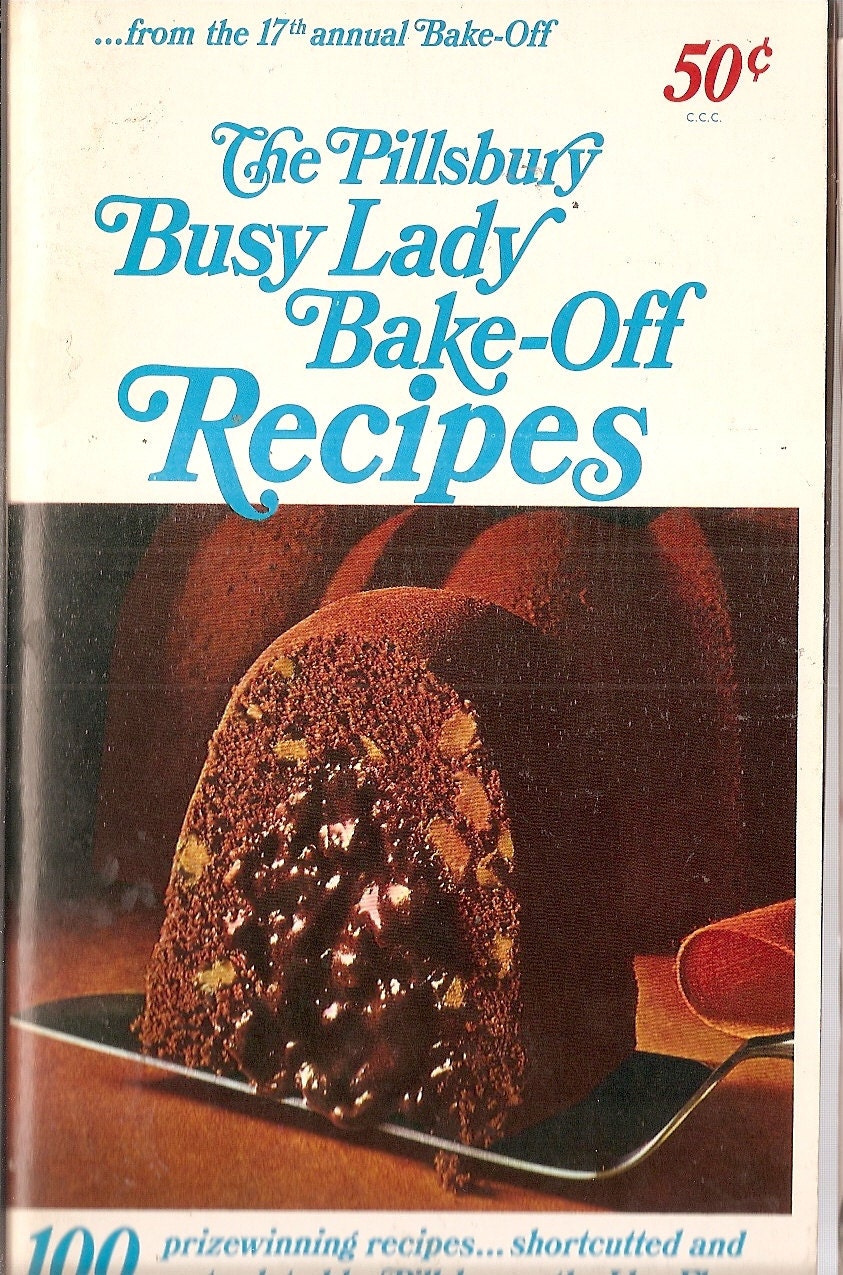
In the U.S., the Bundt first rose to popularity in the mid ‘60s after Ella Rita Helfrich used the then-obscure mold to win second place in the Pillsbury Busy Lady Bake-Off. Oozing with a gooey, chocolaty center—thanks to the addition of prepackaged Pillsbury fudge that sunk into the cake’s middle during baking—Helfrich’s “Tunnel of Fudge” cake was a national sensation that ignited a countrywide Bundt cake trend, but it had taken the pan a long time to ascend the kitchen ranks.

Derived from the beloved German Kugelhopf—an airy tunnel cake much in the way of brioche—the American Bundt pan had been in circulation in the U.S. since the early 1950s, but it remained largely anonymous until its 1966 moment in the sun. More than a decade prior, at the behest of his neighbors seeking to recreate their favorite childhood German coffee cake, budding entrepreneur H. David Dalquist had set about reinterpreting the heavy German Kugelhopf mold into the curved, aluminum pan we know today. In collaboration with his wife, Dorothy, Dalquist perfected his creation and dubbed it the Bundt, derived from “Bundkuchen,” or what the almighty Kugelhopf was known as in Northern Germany; “Bund,” the German word for “bundle,” refers to how the cake batter bundles around the hole in the center of the pan.

While the pan took its sweet time getting popular, it became so intensely well known after Helfrich’s success that it was eventually inducted into the Smithsonian as a hallmark of American food technology. And to this day, Nordic Ware—Dalquist’s Minnesota-based company that owns the Bundt trademark—has sold more than 60 million of its signature pans.

Even so, to many the Bundt might seem like a relic that’s too retro to be good—more in the way of bridge luncheons and church potlucks; people used the pan to bake meatloaf and serve potato salad, after all. But the Bundt cake itself is tough to argue with: easy elegance, crisped edges, tender guts, pretty much always makeable by hand instead of mixer, and it’s as suited to a thick icing as to a dusting of powdered sugar or a swath of salted butter. Versatile, in other words. The Bundt is even undergoing a bit of a revival these days, thanks to the efforts of folks like Matt Lewis and Renato Poliafito, the creative gentlemen behind Baked NYC and the classic National Baking Society. From their famous root beer Bundt to the modified Mary Todd Lincoln cake, Lewis and Poliafito are showing us that the Bundt is just as enduring of a canvas as any—trendy without being a novelty, and certainly not stodgy. And one of the best parts? Eating a slice from hand is totally permissible and satisfying, be it brown-butter-frosted, rum-soaked, or otherwise. Just don’t tell my mom. 


Bundt cakes, previously: old-fashioned gingerbread, applesauce with caramel glaze, maple chocolate stout, and carrot-date with cream cheese icing.

Dark Chocolate Bundt Cake
Adapted from the National Baking Society

According to my numba-one critic/fan, this cake taste like a "fancy Oreo"—he's basically right. Deeply chocolaty, the cake is super tender and yum, with a hyper-vanilla frosting that gets extra oomph from the brown butter. It's just the ticket for giving the Bundt cake its proper due.

2 ounces dark chocolate, chopped
2 teaspoons super finely ground coffee
3/4 cup boiling water
1 cup granulated sugar
1 cup dark brown sugar, packed
1 3/4 cups flour
3/4 cup cocoa powder, non-Dutch preferred
2 teaspoons baking soda
1 teaspoon baking powder
3/4 teaspoon fine-grain sea salt
1 cup buttermilk (or 1 cup whole milk mixed with 1 tablespoon white vinegar)
2 large eggs
1 teaspoon vanilla extract
1/2 cup safflower oil

1. Preheat oven to 350 degrees. Grease a ten-cup Bundt pan with some butter and dust with cocoa powder (in place of flour! This prevents the dark chocolate cake from having white streaks on the exterior once baked).

2. Put chocolate and coffee granules in a heatproof bowl, add boiling water. Let stand for two minutes, then whisk until chocolate is melted and mixture is uniform. Set aside. In a medium bowl, whisk both sugars in a medium bowl. Sift flour, cocoa powder, baking soda, baking powder, and salt over the sugars. Stir mixture to combine, making sure that brown sugar doesn’t end up clumping.

3. Using a whisk and large bowl, mix buttermilk, eggs, extract, oil, and melted chocolate until combined. Add the dry ingredients in two parts and mix until each part is incorporated. Scrape down the sides and bottom of the bowl and whisk briskly by hand for about three minutes, until batter is somewhat airy and totally uniform. Pour into the prepared pan and bake for 40 to 50 minutes, or until cake tester inserted in the center of the cake comes out clean (mine was finished at exactly 45). Cool for 15 minutes then invert onto wire rack. Cool completely before icing.

Brown Butter Vanilla Icing
4 tablespoons unsalted butter
1 tablespoon vanilla extract
4 to 5 tablespoons milk
2 cups powdered sugar, sifted
Generous pinch of salt

1. In a medium saucepan, melt the butter over medium heat until foamy. Stir every now and then for about five minutes until butter turns brown and smells nutty. You can let this get really dark if you want, but a sort of toasted brown will bring out a nice flavor. Remove butter from heat, add vanilla extract, sugar, and salt, and whisk until smooth. Whisk in the milk a few tablespoons at a time, until it’s a thick, but pourable consistency. If needed, add more milk one tablespoon at a time.

2. Set cake on a stand or on a rack over wax paper, and pour icing along the top, allowing it to flow down evenly. If it’s super thick, you might need to use a knife or spatula to nudge it down the sides a bit. Cake will keep, covered, for several days.

April 5, 2013

Applesauce Carrot Date Bundt Cake with Cream Cheese Glaze


The countdown to baby goats has begun. It seems that farms the world over have long since welcomed their lambs and kids, but my experience is that Maine is generally a month or two behind the times, considering its winter. The snow won’t melt until May, rhubarb and asparagus won’t peek out until June, and our baby goats are holding steady until...well, any second now, really. April finds me back here on the farm to finish what I started, that being helping goats knock hooves back in November in the name of springtime babies. I know things ‘round these parts have been a touch quiet as of late, but I hope to soon enough inundate you with photos of fluffy, tiny, tail-wagging kids. In the meantime, my final days down south(er) were a torrent of buddies, travel, and a rekindling of my lifelong love of Bundt cakes. There are a few more waiting in the wings, but this carrot cake is one of the handful of recipes that I’ve authored, so I’m pretty pumped to share it with you! It’s chock full of carrots and dates, and if nuts are your thing, well go ahead and add a cup of chopped pecans too. It might not be the quintessential seasonal dessert, but it’s perfectly delicious for sitting around waiting for kid goats and springtime to finally rear their heads.


Applesauce Carrot Date Bundt Cake
This makes a really tender cake. I enjoyed it best from the fridge with a mug of coffee, but still warm from the oven was mighty fine too. Serving carrot cake without cream cheese is practically sacrilege to many folks, including my main dude, but I prefer cinnamon and powdered sugar dusted on top. If you’re like that too, just sift a combo of the two with a pinch of salt over the cake; otherwise, get down with your cream cheesy self!


2 cups all-purpose flour
2 teaspoons baking soda
2 teaspoons baking powder
2 teaspoons ground cinnamon
1 teaspoon ground ginger
1/2 teaspoon freshly grated nutmeg
1/4 teaspoon ground allspice
1 teaspoon fine-grain sea salt
3 large eggs
1/4 cup granulated sugar
1/4 cup light brown sugar
1 cup unsweetened applesauce
2/3 cup safflower or vegetable oil
3 cups grated carrots
10 Medjool dates, pitted and chopped

1.  Grease and flour a 10-cup Bundt pan, and set oven to 350 degrees F. In a medium bowl, sift all the dry ingredients; set aside. In a large bowl, whisk the eggs with the sugars until fluffy and paler in color, about three or four minutes. (In my experience, this step is essential to getting the Bundt to crisp on the the outside, so don’t skimp.) Whisk in the applesauce and oil, followed by the carrots. Stir in the chopped dates, breaking them up with your fingers to spread them through the batter as much as you can.

2.  In two parts, mix the dry ingredients into the wet. Pour the batter into your prepared Bundt pan, and bake for about 45 minutes, or until a cake tester inserted into the middle comes out clean. Let cool in pan for 15 minutes, then turn out onto a cooling rack and allow cake to cool mostly or all the way before glazing. This is a moist cake and will keep for about three days at room temperature, longer in the fridge.

Cream Cheese Glaze
4 ounces cream cheese
1/2 cup powdered sugar, or more to taste, sifted
2 teaspoons vanilla extract
Pinch salt
5 to 6 tablespoons milk

1.  Beat cream cheese in a medium bowl until smooth and fluffy. Beat in sugar, followed by vanilla, and mix until smooth. Add the milk a tablespoon or so at a time until you have a thick but pourable glaze. Taste for flavor. I prefer my glaze on the less sweet side, but you can always add more sugar and thin it with more water as needed. Pour frosting along the top of cake, and use a knife to nudge it over the edge and down the sides. Voila!

March 30, 2012

Everyday Chocolate Bundt Cake


Last weekend I visited a few of my best friends on the planet, who all conveniently live in Brooklyn, which is naught but a four-hour bus trip from here. Counter to my fair city’s reputation for transience, the DC I know is a place where mostly everyone seems to have known their friends from the age of zero, and where one Sunday at a bar, for instance, Joey ran into a years-old roommate and two former smooching partners, one of whom was also the baby-love from his elementary glory days. Having unceremoniously abandoned California nearly four years ago, I’ve put myself in the sometimes liberating, sometimes lonely position of spending the majority of my time with people who haven’t known me for all that long, and whose perspective on my personhood must be so much different (more forgiving? more confused?) from that of those who knew me during my unconfident, yet ballsy college days.


More than anything, the trip to Brooklyn was really a relief. We drank, loafed, and ate; we joked, complained, and plotted. With hands to the ceiling and dance moves a-go, we scream-sang karaoke to Hole and Kelly Clarkson until 5:00 a.m. before sleeping for three hours to wake up and eat deviled eggs at breakfast the “next” day. Spending the whole weekend with my old friends—some of whom I hadn’t seen in years, actually—was like allowing myself to bask in our shared weirdness, or our unfiltered self-ness. It felt like being home. I’m not sure when I’ll get to see them next, especially as I am making very exciting decisions that take me fairly far away from New York and DC, but I am thrilled to have had last weekend, just as I’m looking so very forward to knowing my DC friends for years upon years and coming home to them too.

And finally, in the spirit of roots, here is this amazing Bundt cake, the shape of cake that is my very absolute favorite. I grew up with Bundts, from my mom’s utterly drunken rum cake, to her casual yellow cake with chocolate glaze and the kissin’ cousin angel food cake with mashed strawberries which is so similarly shaped. I prefer it to all cakes except birthday cakes, because the shape is somehow reassuring, and because generally the batters come together without fuss. This one features some whole-wheat flour, beer, yogurt, and beer again in the glaze, and I highly recommend that you make it right soon and share it with all of your friends. 

Everyday Chocolate Bundt Cake
Adapted, barely, from 101Cookbooks

Cake
2 cups (16 oz.) chocolate or coffee stout or porter (I used Southern Tier Jahvee)
3/4 cup cocoa powder, not dutched (I used the fahn-cy kind), plus more for dusting
8 tablespoons unsalted butter, plus more for greasing pan
1 cup whole-wheat flour
1 cup all-purpose flour
1 cup dark brown sugar (trust)
1 1/2 tsp. baking soda
3/4 teaspoon sea salt
3 large eggs
3/4 cup maple syrup, grade B is best
1 1/2 cups plain whole fat yogurt (I used 2%)

Icing
3/4 cup powdered sugar
1/4 cup cocoa powder, not dutched
2 to 3 tablespoons chocolate or coffee stout or porter
Sea salt for sprinkling

1.  Preheat oven to 350 degrees F with a rack in the center. Generously grease an 11- or 12-cup Bundt pan with about two tablespoons of butter. Sprinkle with cocoa (Pro tip: instead of your usual flour, cocoa will keep the chocolate cake from having white streaks after it's baked) and tap out the excess. If you lack such a serious Bundt pan, use two standard loaf pans and adjust the baking time (about the same for metal, more for glass; start checking the cakes at 30 minutes), or one 8- to 10-cup Bundt pan and some side cupcakes. Whatever pans you choose, just try not to fill them more than two-thirds to three-fourths full, cautions Heidi.

2.  In a medium saucepan, simmer the stout for about 25 minutes until it is reduced to one cup. Whisk in the cocoa powder and butter, and set aside to cool, stirring occasionally to break up the heat.

3.  In a medium bowl, sift flours, sugar, baking soda, and salt; set aside. In a large bowl, combine the eggs, syrup, and yogurt until uniform in appearance. Gradually whisk in the cooled stout mixture, stirring all the while. Add the flour mixture, folding with a rubber spatula until just blended.

4.  Transfer batter to your choice of pan (I vote Bundt!), and bake in the center of the oven for 35 to 45 minutes until a knife inserted into the relative center comes out clean. Start checking your cake at 30 minutes, as this is one you don't want to overbake. Remove from oven and turn cake out onto a cooling rack after seven minutes.

5.  While the cake is cooling, whisk all of your icing ingredients in a medium bowl. Add more stout or more sugar as necessary to achieve your desired consistency. Pour over the top of the cool-ish cake, or use an off-set spatula to swathe it on. Sprinkle with some flecks of sea salt before enjoying; don't be dismayed that the salt will eventually dissolve and leave li'l dimples in your frosting. It still tastes great. Cake keeps for about four days, covered, or longer in the fridge. It's actually great cold, so I recommend the latter.

February 6, 2012

Applesauce Cake with Caramel Glaze


My life has been unexpectedly hectic and fast-moving lately. From percocet pie and the events that led to it, to a series of difficult, all-consuming decisions, to this wild and wonderful thing that my tarty partner in crime and I are doing, I had to call in the reserves, aka Mom, for a jaunty weekend visit that sped by in a 40-hour instant. I carried around scrap paper and pens like a security blanket while she was here so we could write down every idea about said decisions without missing a thing. In classic family fashion though, we spent most of her visit scarfing noodles, treating ourselves to excess, and falling asleep to SVU; I didn't record a single, frantic idea.
   

And as soon as she left, BAM! Life gave me a kick in the tights again, this time with joy for some great friends who are moving down to Texas, the anticipation of a new, very exciting collaborative art project, lots of lovely friends in town, and the galloping taste of this excellent cake, served up for a potluck and industrial music show* held at our house on Sunday night. The decisions still loom weightily and I miss my momma mightily, but all of these occasions and opportunities have led to some pretty cool stuff (including this feature on Refinery29, omg!), not to mention an exciting announcement or two to soon be revealed -- as soon as those damn decisions get made, anyway. In the meantime, I'm so glad I slowed down to make this cake, a cinnamon-apple dreamboat swathed in caramel glaze that comes together in no time; it's basically the rustic cake of my dreams in my all-time favorite cake shape. You'll love it!

*You guys, if you ever see that a DC band called Bereft is going to play, you have to see them. It's so loud, so head-shaky, and so the best.

Applesauce Cake
Adapted from Food52

2 cups all-purpose flour
1 1/2 teaspoons baking soda
2 teaspoons cinnamon
1 teaspoon ground ginger
1 teaspoon fine-grain sea salt 
1/4 teaspoon ground allspice
1/4 teaspoon freshly ground black pepper
2 large eggs
1 cup granulated sugar
1/2 cup light brown sugar
1 1/2 cups unsweetened applesauce
2/3 cup safflower or vegetable oil
1 teaspoon vanilla

Caramel Glaze
4 tablespoons unsalted butter
1/2 cup packed light brown sugar
1/3 cup heavy cream
Scant 1/2 teaspoon fine-grain sea salt, or to taste
1/4 to 1/2 cup powdered sugar

1.  Heat the oven to 350 degrees and butter and flour a 12-cup Bundt pan. Sift together the flour, baking soda, salt, pepper, and spices and set aside. In a large mixing bowl, beat the eggs with both sugars on medium until smooth and light, about a minute. On low, mix in the applesauce, oil, and vanilla until smooth.

2.  Using a rubber spatula, fold in the dry ingredients, being careful not to over-mix. Pour the batter into the prepared pan, rap sharply on the counter to eliminate air bubbles, and bake for about 35 to 45 minutes, until a cake tester inserted in the center of the cake comes out clean.  [Original calls for 45, but mine was totally finished at 40; check yours earlier.] Cool the cake for ten minutes in the pan before turning it out and cooling completely on a cooling rack -- make sure the cake is not at all warm before you make the glaze.

3.  Put the butter in a medium saucepan with the brown sugar, cream, and salt, and set over medium heat. Bring to a full rolling boil, stirring constantly. The recipe calls for boiling for one minute exactly and then removing from heat, but I went to two minutes plus a few seconds because I thought the glaze could use more caramel flavor. It ended up being totally fine and lovely this way.

4.  Leave the pan to cool for a couple of minutes, and  gradually whisk in the powdered sugar until you have a thick, but pourable consistency (you will not likely need all of the sugar, but it's also okay to use more if need be). If the mixture seems too thick, add a splash of cream (or bourbon!) to thin it out a little. Immediately pour the glaze over the cake, moving slowly and evenly to cover as much surface area as possible. The glaze basically sets on contact, so any overlapping glaze or second layering will be visible; try to stick to one even layer. Serve it up! Covered, cake will keep for several days, with the flavor deepening the longer it's around.